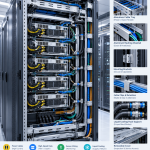
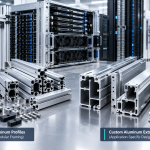
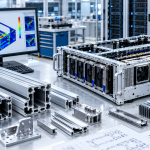
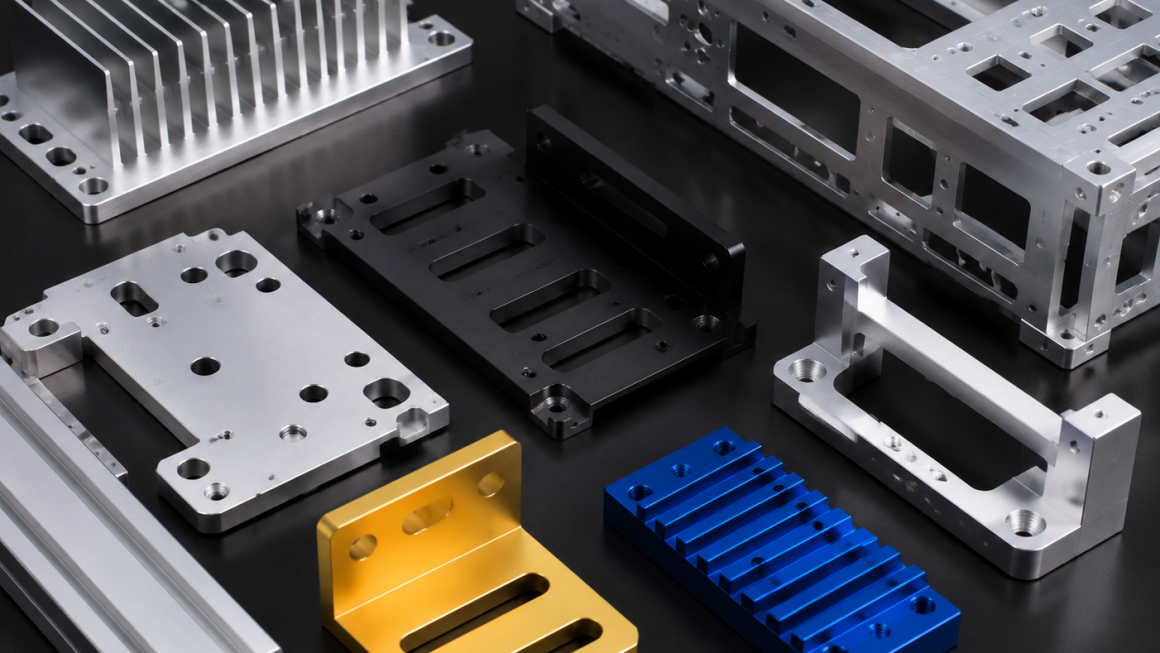
Aluminum is widely used in modern AI infrastructure, data centers, and high-performance computing (HPC) systems due to its lightweight characteristics, manufacturing flexibility, and compatibility with thermal management applications.
However, the performance of aluminum components depends not only on alloy selection and mechanical design but also on surface engineering. Surface treatment plays an important role in improving surface durability, appearance consistency, corrosion resistance, and compatibility with specific operating environments.
For AI hardware infrastructure, aluminum components may include:
- Server chassis parts
- Rack structural components
- Liquid cooling support brackets
- Cable management structures
- Precision machined components
- Equipment enclosures
These parts may require different surface treatment approaches depending on mechanical requirements, environmental conditions, and application objectives.
This article discusses common aluminum surface treatment technologies, including anodizing, protective coatings, and corrosion control strategies for AI infrastructure applications.
The Importance of Surface Treatment in AI Infrastructure
Although aluminum naturally forms a protective oxide layer, industrial applications often require additional surface engineering.
Surface treatment can help address several requirements:
- Improving surface protection
- Increasing wear resistance
- Maintaining appearance consistency
- Supporting long-term equipment reliability
- Improving compatibility with specific environments
In AI infrastructure, structural components are expected to operate reliably over extended periods while being exposed to:
- Temperature changes
- Humidity variations
- Mechanical contact
- Cleaning processes
- Installation and maintenance activities
Anodizing: A Common Aluminum Surface Treatment
What Is Anodizing?
Anodizing is an electrochemical surface treatment process that increases the thickness and stability of the natural oxide layer on aluminum surfaces.
Unlike paint or external coatings, anodizing modifies the aluminum surface itself.
Common anodizing types include:
- Type II anodizing
- Hard anodizing
- Decorative anodizing
The appropriate process depends on application requirements.
Advantages of Anodized Aluminum Components
Improved Surface Durability
Anodized surfaces generally provide improved resistance against:
- Surface wear
- Handling damage
- Environmental exposure
This makes anodizing suitable for components that require repeated assembly or maintenance.
Appearance Consistency
Anodizing can provide a uniform surface finish.
Common finishes include:
- Natural aluminum appearance
- Black anodized surfaces
- Custom color options
For AI infrastructure equipment, consistent appearance can be important for professional installation environments.
Electrical and Thermal Considerations
Anodized layers are typically thin compared with the base aluminum material.
However, engineers should consider that surface treatment may influence:
- Electrical contact points
- Grounding requirements
- Thermal interfaces
Specific design requirements should be evaluated during component development.
Hard Anodizing for Industrial Components
Hard anodizing creates a thicker oxide layer compared with standard anodizing.
It may be considered for components requiring:
- Higher wear resistance
- Improved surface hardness
- Enhanced durability
Potential applications include:
- Mechanical interfaces
- Sliding components
- Industrial mounting parts
Selection depends on actual mechanical requirements.
Protective Coatings for Aluminum Components
Besides anodizing, various coating technologies may be used for aluminum parts.
Powder Coating
Powder coating is widely used for industrial structures.
Potential advantages include:
- Wide color selection
- Good appearance consistency
- Additional surface protection
Applications may include:
- Rack structures
- Equipment panels
- External enclosures
Liquid Coatings
Liquid coatings may be selected for specific requirements.
Factors considered include:
- Environmental exposure
- Chemical resistance
- Appearance requirements
The coating system should be selected according to application conditions.
Corrosion Control in Data Center Aluminum Components
Understanding Corrosion Risks
Although indoor data centers are generally controlled environments, aluminum components may still encounter corrosion-related considerations.
Potential factors include:
- Humidity
- Contaminants
- Salt exposure in coastal regions
- Contact with dissimilar metals
Galvanic Corrosion Considerations
When aluminum contacts other metals, such as steel or copper, galvanic corrosion may occur under suitable conditions.
Engineering approaches may include:
- Material selection
- Protective coatings
- Insulating interfaces
- Proper assembly design
This is especially relevant in systems combining:
- Aluminum frames
- Steel fasteners
- Copper cooling components
Environmental Adaptation
Different deployment environments may require different surface strategies.
Examples:
Standard Indoor Data Centers
Common requirements may focus on:
- Appearance
- Wear resistance
- Assembly durability
Coastal or High-Humidity Environments
Additional considerations may include:
- Enhanced protective coatings
- Corrosion-resistant fasteners
- Environmental testing
Industrial Computing Environments
Considerations may include:
- Chemical exposure
- Dust
- Cleaning procedures
Surface Treatment Selection for AI Infrastructure Components
Different components may require different approaches.
Server Chassis Components
Potential priorities:
- Appearance
- Dimensional stability
- Assembly durability
Possible treatments:
- Anodizing
- Powder coating
Liquid Cooling Support Components
Important considerations:
- Surface compatibility
- Corrosion control
- Interface requirements
Possible treatments:
- Controlled anodizing
- Specialized coatings
Rack Structures
Requirements may include:
- Structural durability
- Long service life
- Consistent appearance
Possible solutions:
- Anodized aluminum profiles
- Powder-coated structures
Precision CNC Aluminum Parts
Machined components may require consideration of:
- Surface finish
- Dimensional tolerance after treatment
- Functional contact areas
Manufacturing planning should consider surface treatment as part of the complete process.
Manufacturing Process Integration
Surface treatment should not be considered an isolated final step.
A typical aluminum component workflow may include:
- Material selection
- CNC machining or extrusion
- Surface preparation
- Surface treatment
- Inspection
- Assembly validation
Each stage influences final component performance.
Quality Control Considerations
Important evaluation areas may include:
- Surface appearance
- Coating consistency
- Adhesion quality
- Thickness measurement
- Dimensional verification
The specific inspection requirements depend on customer specifications and application needs.
Future Trends in Aluminum Surface Engineering
Functional Coatings
Future development may include coatings designed for specific functions, such as:
- Improved wear resistance
- Enhanced thermal performance
- Environmental protection
Sustainable Surface Treatment
Manufacturers continue exploring more environmentally responsible processes through:
- Improved chemical management
- Reduced waste generation
- Process optimization
Integrated Material Design
Future AI infrastructure components may combine:
- Aluminum structures
- Composite materials
- Functional coatings
- Thermal interface technologies
to achieve application-specific performance goals.
Surface treatment is an important part of aluminum component engineering for AI infrastructure applications. While aluminum provides excellent manufacturing flexibility and useful mechanical properties, appropriate surface engineering helps improve durability, appearance, and environmental compatibility.
Anodizing, coating technologies, and corrosion control strategies each have different advantages depending on component requirements and operating conditions.
For AI data centers, server systems, and high-performance computing equipment, surface treatment should be considered together with material selection, mechanical design, thermal requirements, and manufacturing processes.
Through careful engineering evaluation, aluminum components can be optimized for reliable integration into modern computing infrastructure.