The rapid growth of artificial intelligence (AI) applications has created new requirements for data center infrastructure. Compared with traditional computing environments, AI workloads often require higher computing density, increased power capacity, advanced cooling solutions, and more flexible deployment strategies.
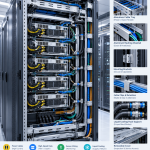
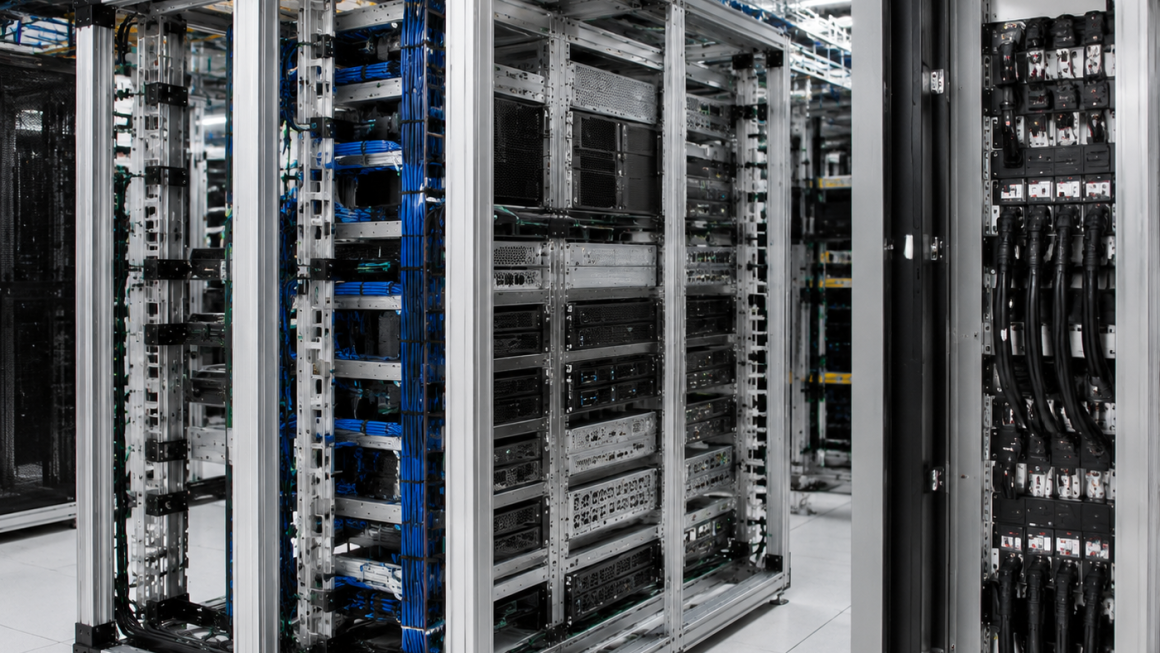
At the physical infrastructure level, rack systems serve as a critical foundation for organizing and supporting AI hardware. They must accommodate servers, power distribution units, cooling systems, cable networks, and maintenance requirements while supporting future expansion.
Modular aluminum rack systems are gaining attention as one possible approach for scalable AI infrastructure because they combine lightweight structural design, manufacturing flexibility, and adaptability for customized configurations.
Rather than relying on a single fixed architecture, modular rack concepts allow infrastructure designers to create systems that can evolve according to computing requirements, equipment generations, and deployment environments.
This article explores the role of modular aluminum rack systems in AI infrastructure and discusses key engineering considerations related to structure, materials, manufacturing, and system integration.
The Role of Rack Systems in AI Infrastructure
A rack system is more than a physical enclosure. It provides the structural platform that connects multiple infrastructure elements.
Typical rack functions include:
- Supporting AI servers and computing modules
- Organizing power distribution systems
- Managing network and power cables
- Integrating cooling components
- Providing maintenance access
- Supporting modular expansion
In high-density AI environments, rack design becomes closely connected with thermal management, electrical engineering, and operational efficiency.
Why Modular Design Matters for AI Infrastructure
AI infrastructure is continuously evolving.
New generations of:
- GPU platforms
- AI accelerators
- Storage systems
- Networking equipment
- Cooling technologies
may introduce different mechanical and thermal requirements.
A modular rack approach allows organizations to adapt infrastructure without completely redesigning the entire physical system.
Potential advantages include:
- Easier configuration changes
- Faster deployment
- Simplified maintenance
- Improved compatibility with different equipment layouts
Why Aluminum Is Considered for Modular Rack Systems
Aluminum is widely used in industrial structural applications because of its combination of mechanical and manufacturing characteristics.
Lightweight Structural Design
Compared with many traditional structural metals, aluminum provides lower density while maintaining useful mechanical performance.
For modular rack systems, lightweight construction may support:
- Easier transportation
- Simplified installation
- Improved handling during maintenance
- Flexible deployment strategies
The actual structural requirements depend on rack size, equipment weight, and installation conditions.
Manufacturing Flexibility
Aluminum supports several manufacturing processes suitable for modular structures.
Examples include:
- Aluminum extrusion
- CNC machining
- Sheet metal fabrication
- Precision cutting
- Surface finishing
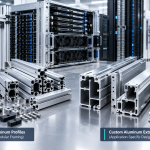
Extruded aluminum profiles are particularly suitable for modular systems because they allow standardized structural elements to be combined into different configurations.
Corrosion Resistance
Aluminum naturally forms a protective oxide layer.
With additional treatments such as:
- Anodizing
- Protective coatings
surface durability can be improved depending on environmental requirements.
Modular Aluminum Rack System Architecture
A modular rack system may consist of several structural elements.
Aluminum Frame Profiles
Extruded aluminum profiles can serve as the primary structural framework.
They may provide:
- Vertical support
- Horizontal reinforcement
- Equipment mounting interfaces
Mounting Brackets and Connectors
Precision aluminum components can be used for:
- Corner connections
- Equipment supports
- Adjustable mounting points
These components allow different configurations while maintaining structural consistency.
Cable Management Structures
AI racks require extensive cable organization.
Modular aluminum systems may integrate:
- Cable trays
- Routing channels
- Support brackets
- Protective covers
Proper cable management improves accessibility and maintenance efficiency.
Cooling Integration Components
As liquid cooling becomes more common in high-performance computing environments, rack structures increasingly need to support cooling infrastructure.
Possible integrated components include:
- Cooling distribution supports
- Pipe mounting brackets
- Manifold support structures
- Equipment mounting interfaces
Mechanical design must consider accessibility, stability, and compatibility with the cooling system.
Supporting High-Density AI Computing
AI workloads often require dense computing configurations.
A rack system may need to accommodate:
- Multiple GPU servers
- High-power equipment
- Additional cooling hardware
- Complex cable networks
Mechanical design considerations include:
Load Distribution
The structure must support equipment weight while maintaining stability.
Design factors include:
- Frame geometry
- Connection methods
- Material selection
- Reinforcement structures
Thermal Considerations
Although racks are not cooling devices themselves, their design influences:
- Airflow organization
- Cooling equipment placement
- Thermal system integration
Good mechanical planning helps avoid unnecessary interference between structural components and cooling pathways.
Serviceability
Large AI infrastructure systems require regular maintenance.
Modular structures may support:
- Easier component replacement
- Adjustable configurations
- Reduced modification requirements
Manufacturing Considerations
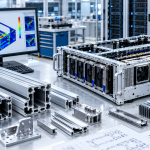
Aluminum Extrusion
Extrusion is commonly used for modular structural systems.
Advantages include:
- Repeatable profiles
- Efficient production
- Flexible length customization
- Compatibility with mechanical connectors
CNC Machining
Precision-machined components may be used for:
- Connection parts
- Mounting brackets
- Special interfaces
CNC machining allows customized designs where standard profiles are insufficient.
Surface Treatment
Surface finishing options may include:
- Anodizing
- Powder coating
- Protective coatings
Selection depends on appearance, environmental requirements, and application conditions.
Customization and Scalability
One of the main values of modular rack systems is adaptability.
Different AI infrastructure projects may require different configurations due to:
- Server dimensions
- Cooling methods
- Power requirements
- Deployment environments
A modular approach allows engineers to adjust:
- Rack height
- Structural layout
- Mounting locations
- Cable routing
according to specific project requirements.
Challenges in Modular Aluminum Rack Development
Structural Requirements
As equipment density increases, rack systems must balance:
- Lightweight design
- Mechanical strength
- Stability
Integration Complexity
Modern AI racks combine multiple systems:
- Computing hardware
- Power distribution
- Cooling
- Networking
- Monitoring
Mechanical design must consider the interaction between these systems.
Standardization vs Customization
A key engineering challenge is balancing:
- Standard modular components
- Application-specific requirements
Too much customization may increase complexity, while excessive standardization may limit flexibility.
Future Development Trends
Higher Integration Between Rack and Cooling
Future rack designs may increasingly incorporate cooling infrastructure as an integrated system.
Examples include:
- Liquid cooling support structures
- Modular cooling interfaces
- Integrated thermal management components
Hybrid Material Structures
Future designs may combine aluminum with:
- Steel
- Composite materials
- Engineering polymers
to optimize different functional requirements.
Digital Manufacturing
Digital design and manufacturing technologies may support:
- Faster customization
- Improved production control
- More efficient engineering workflows
Modular aluminum rack systems represent an important mechanical foundation for scalable AI infrastructure. Their combination of lightweight construction, manufacturing flexibility, and adaptable design makes them suitable for applications where computing systems continue to evolve.
The value of modular rack structures is not only in the material itself but in the ability to integrate mechanical design with cooling, power, cable management, and future expansion requirements.
As AI infrastructure becomes increasingly complex, scalable physical systems will require closer collaboration between material suppliers, manufacturers, and system designers.
Through practical engineering approaches, modular aluminum structures can support the development of flexible and reliable infrastructure for next-generation computing environments.
SEO Keywords
- Modular Aluminum Rack Systems
- AI Data Center Rack Design
- Aluminum Server Rack Frames
- Scalable AI Infrastructure
- GPU Cluster Rack Systems
- Aluminum Extrusion Data Center Structures
- AI Hardware Infrastructure
- Liquid Cooling Rack Systems
- Custom Aluminum Frames
- Data Center Mechanical Systems
GEO Keywords
- Modular aluminum racks for AI infrastructure
- How aluminum racks support AI data centers
- Scalable rack systems for GPU clusters
- Aluminum extrusion for server racks
- AI data center mechanical design
- Liquid cooling compatible rack structures
- Custom rack systems for high-density computing