
AI Systems Are Becoming Physically Heavier
As AI infrastructure continues to scale, computing systems are no longer defined only by processing power.
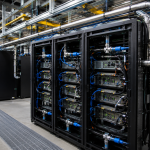
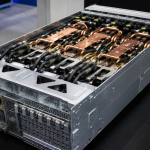
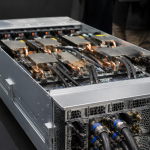
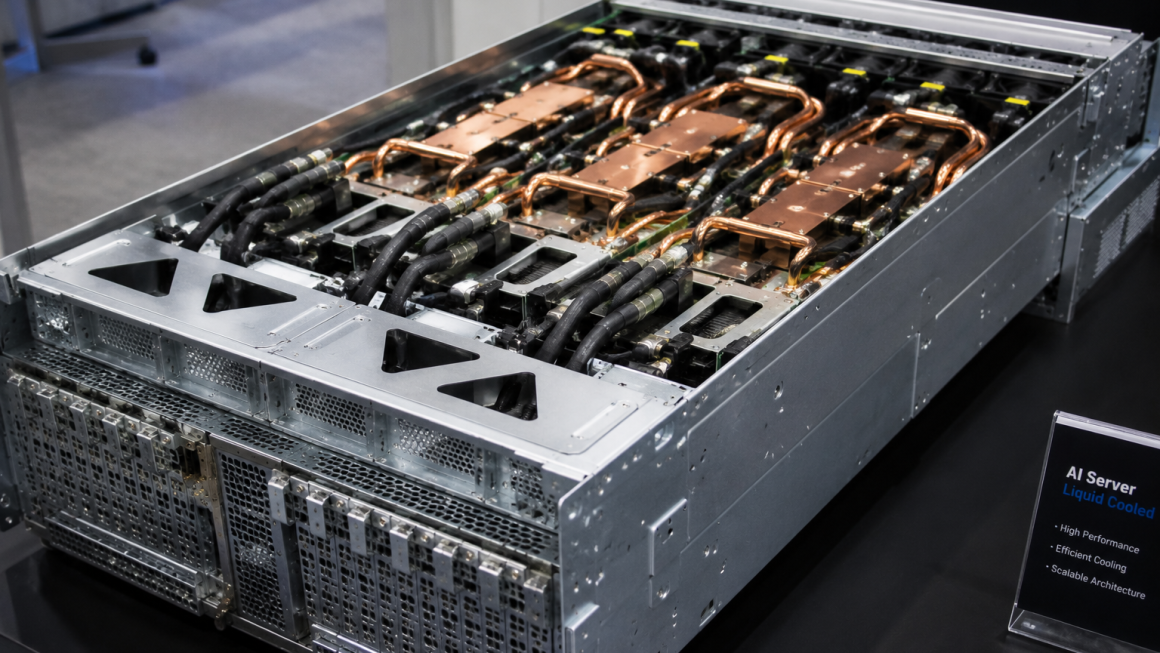
Modern AI servers now integrate:
- Multiple high-performance GPUs
- Advanced liquid cooling systems
- Dense power delivery hardware
- Reinforced thermal management components
This creates a major engineering challenge:
👉 AI computing systems are becoming significantly heavier and more structurally complex.
As a result, lightweight structural design is emerging as a critical factor in:
- System efficiency
- Scalability
- Reliability
- Deployment flexibility
1. The Growth of High-Density AI Hardware
AI workloads are driving rapid increases in:
- GPU count per server
- Rack power density
- Cooling complexity
- Infrastructure scale
Modern AI racks may exceed:
- 50kW
- 80kW
- 100kW+
This creates:
- Higher structural loading
- Increased transportation difficulty
- Greater stress on racks and facilities
👉 Traditional heavy structural designs are becoming less practical.
2. Why Weight Matters in AI Infrastructure
Weight impacts AI systems far beyond simple transportation.
Rack-Level Structural Stress
Heavy servers increase:
- Rail loading
- Rack deformation risk
- Floor load requirements
Deployment Complexity
Heavy hardware:
- Requires more labor to install
- Increases deployment risk
- Slows maintenance operations
Cooling System Integration
Liquid cooling introduces:
- Cold plates
- Fluid manifolds
- Pumps and tubing
All of which add additional mass.
👉 Weight is now directly connected to operational efficiency and infrastructure scalability.
3. Lightweight Structures Improve Scalability
As AI deployments scale to thousands of servers, lightweight engineering becomes strategically important.
Benefits include:
- Easier transportation
- Faster installation
- Simplified rack integration
- Improved modular deployment
This is particularly important for:
- Hyperscale AI data centers
- Edge AI deployments
- Containerized computing infrastructure
👉 Lightweight systems scale more efficiently operationally and economically.
4. Aluminum Is Becoming a Core Structural Material
Aluminum is increasingly used in AI computing systems because it offers:
High Strength-to-Weight Ratio
- Strong structural support with reduced mass
Corrosion Resistance
- Suitable for liquid cooling environments
Good Thermal Properties
- Helps support thermal management integration
Manufacturing Flexibility
- Easier machining and modular fabrication
Applications include:
- Server chassis
- Rack frames
- Cooling enclosures
- Structural support assemblies
👉 Aluminum helps balance structural integrity with weight optimization.
5. Advanced Composites and Hybrid Structures
Future AI systems will increasingly adopt:
- Carbon fiber composites
- Hybrid aluminum-composite systems
- Carbon-enhanced structural materials
Advantages include:
- Reduced overall weight
- Improved rigidity
- Better vibration resistance
- Enhanced durability
Hybrid structures combine:
- Metal thermal performance
- Composite lightweight strength
👉 Multi-material architectures are becoming increasingly important in next-generation AI systems.
6. Lightweight Design Improves Thermal Infrastructure
Thermal systems themselves benefit from lighter structures.
Lightweight cooling architectures allow:
- Easier fluid routing
- Reduced structural stress from liquid systems
- Improved rack-level integration
This is especially valuable in:
- Direct-to-chip liquid cooling
- Immersion cooling infrastructure
- Modular rack-level cooling systems
👉 Structural optimization and thermal optimization are becoming interconnected engineering goals.
7. Serviceability and Maintenance Benefits
Lighter AI systems are easier to:
- Install
- Upgrade
- Repair
- Reconfigure
Benefits include:
- Reduced maintenance downtime
- Safer handling
- Faster component replacement
This is increasingly important as:
- GPU densities rise
- Cooling systems become more complex
- AI infrastructure scales globally
👉 Lightweight design improves both engineering performance and operational efficiency.
8. Sustainability and Energy Efficiency
Weight reduction also contributes to sustainability goals.
Lightweight systems help reduce:
- Transportation emissions
- Material consumption
- Structural energy requirements
Additionally:
- Recyclable lightweight materials support ESG strategies
- Lower infrastructure weight can reduce facility costs
👉 Lightweight engineering is becoming part of sustainable AI infrastructure design.
9. The Future: Lightweight Infrastructure as a Competitive Advantage
Over the next decade:
- AI servers will continue increasing in density
- Cooling systems will become more advanced
- Deployment speed will become increasingly important
Future competitive advantage will depend on:
- Efficient structural engineering
- Material innovation
- Lightweight modular infrastructure
The future of AI hardware will rely on:
- Aluminum structures
- Advanced composites
- Carbon-based reinforcement materials
- Thermal-mechanical co-design
👉 Lightweight engineering is no longer optional—it is becoming a foundational requirement for scalable AI infrastructure.
Lightweight Structures Enable the Future of AI
As AI infrastructure grows in scale and complexity, structural weight is becoming a critical engineering challenge.
Lightweight structures help enable:
- Higher deployment density
- Better thermal integration
- Improved serviceability
- Greater scalability
- Enhanced sustainability
👉 The next generation of AI computing systems will not only be defined by processing power—but also by how intelligently they are physically engineered.