
The Hidden Constraint in High-Density GPU Systems
As AI servers evolve toward higher performance, the focus is often placed on compute power and cooling efficiency. However, another critical factor is becoming increasingly important:
👉 Weight distribution within GPU servers
With modern systems integrating:
- Multiple high-power GPUs
- Liquid cooling components (cold plates, manifolds, coolant)
- Dense power delivery units
Server weight is increasing significantly—creating mechanical, structural, and operational challenges that cannot be ignored.
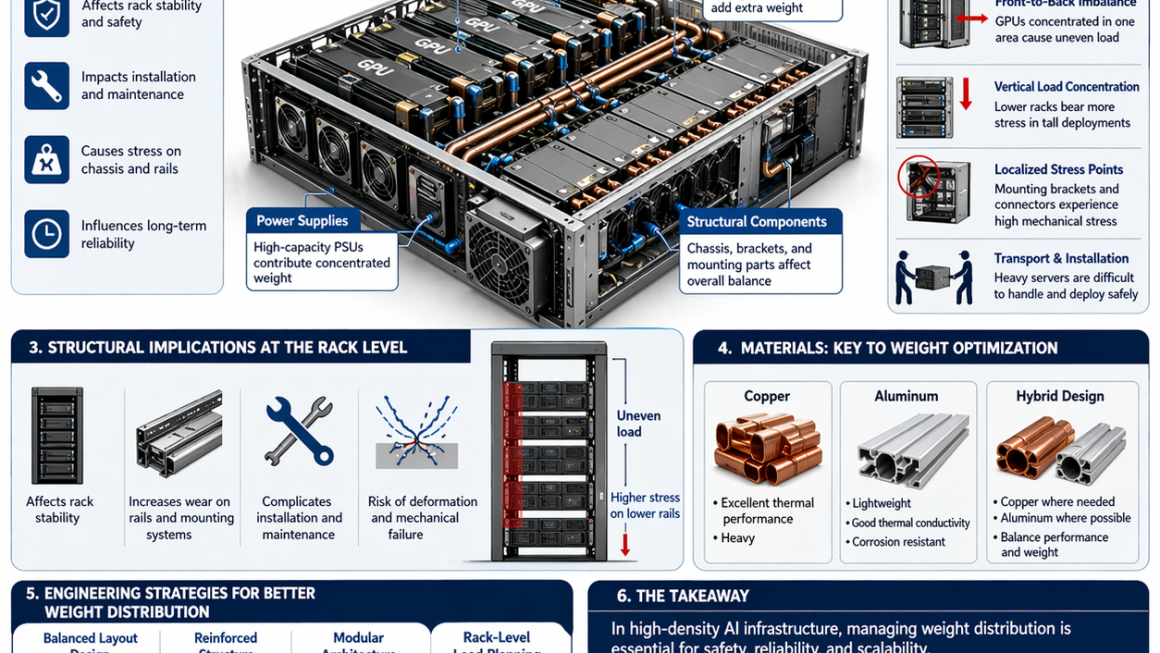
1. Why Weight Distribution Matters
Weight is not just about total mass—it’s about how that mass is distributed across the system.
Key impacts:
- Uneven load on server chassis
- Stress on rack rails and mounting systems
- Difficulty in installation and maintenance
- Increased risk of mechanical deformation
👉 Poor weight distribution can lead to long-term reliability issues and even system failure.
2. Sources of Weight in GPU Servers
GPUs and Heat Sinks
- High-end GPUs are heavy due to dense components and cooling structures
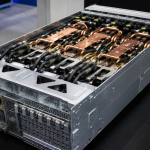
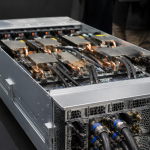
Liquid Cooling Hardware
- Cold plates (often copper or hybrid materials)
- Manifolds and piping
- Coolant itself adds significant weight
Power Supply Units (PSUs)
- High-capacity PSUs add concentrated mass
Structural Components
- Metal chassis, reinforcement frames, and mounting brackets
👉 Liquid cooling improves thermal performance—but also adds structural load.
3. Common Weight Distribution Challenges
Front-to-Back Imbalance
- GPUs typically concentrated in one section
- Leads to uneven load on rack rails
Vertical Load Concentration
- Weight stacking across multiple server units
- Lower racks تحمل higher stress
Localized Stress Points
- Mounting brackets and connectors experience high mechanical load
- Risk of deformation or failure over time
Transport and Installation Issues
- Heavy servers are difficult to handle safely
- Increased risk during deployment
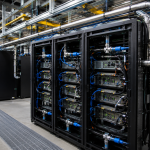
4. Structural Implications for Rack-Level Design
At the rack level, poor weight distribution affects:
- Rack stability
- Rail system durability
- Installation safety
- Long-term structural integrity
In high-density AI racks (>50kW or even 100kW+), these issues become amplified.
👉 Rack design must now consider mechanical load as seriously as thermal load.
5. Role of Materials in Solving Weight Challenges
Material selection is one of the most effective ways to address weight issues.
Aluminum: A Strategic Advantage
- Lightweight compared to copper and steel
- Good thermal conductivity
- Enables structural strength with reduced mass
👉 Ideal for:
- Chassis structures
- Manifolds
- Cold plate components (in hybrid designs)
Hybrid Material Designs
- Copper where high heat transfer is needed
- Aluminum for structural and large-area components
Result:
- Reduced total system weight
- Maintained thermal performance
Advanced Materials (Emerging)
- Graphene-enhanced structures
- High-strength lightweight composites
👉 Potential to further reduce weight while improving thermal behavior
6. Engineering Strategies for Better Weight Distribution
Balanced Layout Design
- Evenly distribute GPUs and cooling components
- Avoid concentrated mass zones
Reinforced Structural Design
- Strengthened mounting points
- Load-bearing chassis design
Modular Architecture
- Smaller, manageable sub-units
- Easier installation and maintenance
Rack-Level Load Planning
- Optimize placement within racks
- Distribute weight across multiple levels
7. Why This Matters for AI Infrastructure
As AI systems scale:
- Servers become heavier
- Cooling systems become more complex
- Deployment environments become more demanding
👉 Without proper weight management:
- Reliability decreases
- Maintenance costs increase
- Deployment risks rise
Weight Is Now a Design Parameter
In next-generation GPU servers, weight distribution is no longer a secondary consideration—it is a core engineering parameter.
The most effective solutions integrate:
- Lightweight materials (especially aluminum)
- Balanced system design
- Structural reinforcement
- Thermal and mechanical co-optimization
👉 The future of AI infrastructure depends not only on how efficiently systems compute and cool—but also on how intelligently they are built and supported.