

Artificial intelligence is often associated with algorithms, models, and software breakthroughs. Yet behind every powerful AI system lies a vast physical infrastructure that enables those computations to run continuously and reliably.
At the heart of this infrastructure is materials engineering.
From server chassis and heat spreaders to cooling systems and rack structures, the materials used in AI data centers play a critical role in performance, reliability, and long-term scalability. As AI workloads continue to grow, the importance of materials engineering is becoming increasingly clear.
The Physical Foundation of AI Computing
AI data centers operate under conditions that are far more demanding than traditional computing environments. High-performance GPUs and AI accelerators generate enormous heat while operating around the clock.
A single AI server can consume several kilowatts of power, and large clusters may contain thousands of these systems running simultaneously. This creates significant challenges in:
- Thermal management
- Structural stability
- Electrical integrity
- Long-term durability
Materials engineering provides the solutions that allow these systems to function efficiently and reliably.
Thermal Performance Starts with Materials
Heat is one of the most critical challenges in AI infrastructure. As compute density increases, effective thermal management becomes essential to maintaining system performance.
Materials influence thermal behavior in several ways:
- Thermal conductivity
- Heat spreading capability
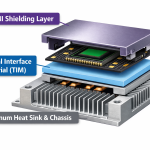
- Interface resistance
- Structural heat pathways
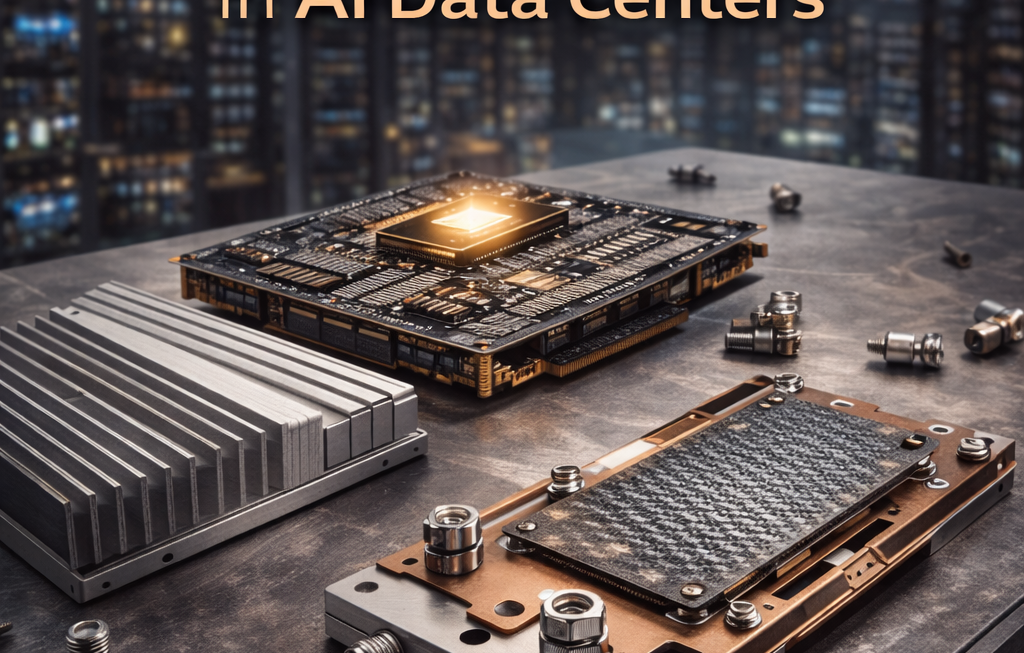
For example, aluminum is widely used in server structures and cooling components because it offers an excellent balance of thermal conductivity, weight, and manufacturability. Copper may be used in specific components where higher conductivity is required.
Advanced materials such as graphite films or composite heat spreaders are also increasingly explored to improve thermal distribution across high-power processors.
Without carefully engineered material systems, modern AI hardware would quickly reach thermal limits.
Structural Materials Enable High-Density Infrastructure
AI data centers are designed to maximize computing power within limited space. Servers are densely packed inside racks, often supporting heavy GPU modules and advanced cooling hardware.
Structural materials must therefore provide:
- Mechanical strength
- Dimensional stability
- Resistance to vibration and fatigue
- Lightweight performance for large-scale installations
Aluminum alloys are commonly used in rack structures and server enclosures due to their favorable strength-to-weight ratio and excellent manufacturability.
Reliable structural materials ensure that AI systems remain stable and serviceable throughout years of continuous operation.
Materials Support Electrical Integrity
Beyond thermal and structural considerations, materials also influence electrical performance inside AI systems.
High-speed computing environments require careful control of:
- Electromagnetic interference (EMI)
- Signal integrity
- Grounding pathways
Conductive coatings, shielding materials, and carefully designed metal enclosures help protect sensitive electronics from interference while maintaining reliable communication between components.
In modern AI servers, materials often serve both mechanical and electrical functions simultaneously.
Scaling AI Infrastructure Requires Scalable Materials
One of the biggest challenges in AI infrastructure is scale. A modern AI data center may deploy thousands of servers, each containing complex hardware systems.
For materials to be practical in this environment, they must support:
- Consistent manufacturing quality
- Stable supply chains
- Cost-effective production
- Compatibility with large-scale assembly
Materials that perform well in laboratory environments must also meet the demands of industrial manufacturing and global infrastructure deployment.
Engineering decisions therefore balance performance with manufacturability.
The Future Role of Materials in AI Infrastructure
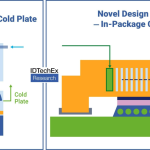
As AI systems continue to evolve, hardware power density is expected to increase further. Future AI accelerators may exceed today’s thermal and structural limits, requiring new approaches to materials and cooling technologies.
Emerging developments include:
- Advanced thermal interface materials
- Carbon-based heat spreading layers
- Hybrid structural composites
- Materials optimized for liquid cooling systems
These innovations will help support the next generation of AI infrastructure.
While software and algorithms often receive the spotlight, the reliability and performance of AI systems ultimately depend on the physical infrastructure that supports them.
Materials engineering forms the foundation of that infrastructure.
By enabling efficient cooling, structural stability, and electrical reliability, materials make it possible for AI data centers to operate at the scale and performance levels required by modern artificial intelligence.
As AI computing continues to expand, materials engineering will remain a key driver of innovation in the data center ecosystem.