

How Materials Shape Performance, Reliability, and Scalability in AI Infrastructure
AI Infrastructure Is a Materials Problem
As AI workloads continue to scale, the industry focus is often placed on GPUs, compute power, and cooling technologies. However, behind every high-density GPU server lies a more fundamental layer:
👉 Material selection
From thermal management to structural integrity and power delivery, materials directly influence whether a system performs efficiently—or fails under stress.
For platforms like aluminum4ai.com, the focus is not on claiming advanced material production, but on understanding how materials behave within real engineering systems.
Anatomy of a High-Density GPU Server
A typical high-density GPU server includes:
- Multiple GPU modules (8–16 GPUs per node)
- CPU and motherboard systems
- Cooling structures (air or liquid cooling)
- Power delivery systems (busbars, connectors)
- Mechanical enclosures and frames
As density increases, the margin for error decreases. Material decisions become critical.
Key Material Categories in AI Servers
1. Structural & Thermal Materials: Aluminum as the Backbone
Aluminum is one of the most widely used materials in AI hardware.
Typical applications:
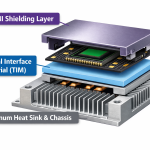
- Heat sinks
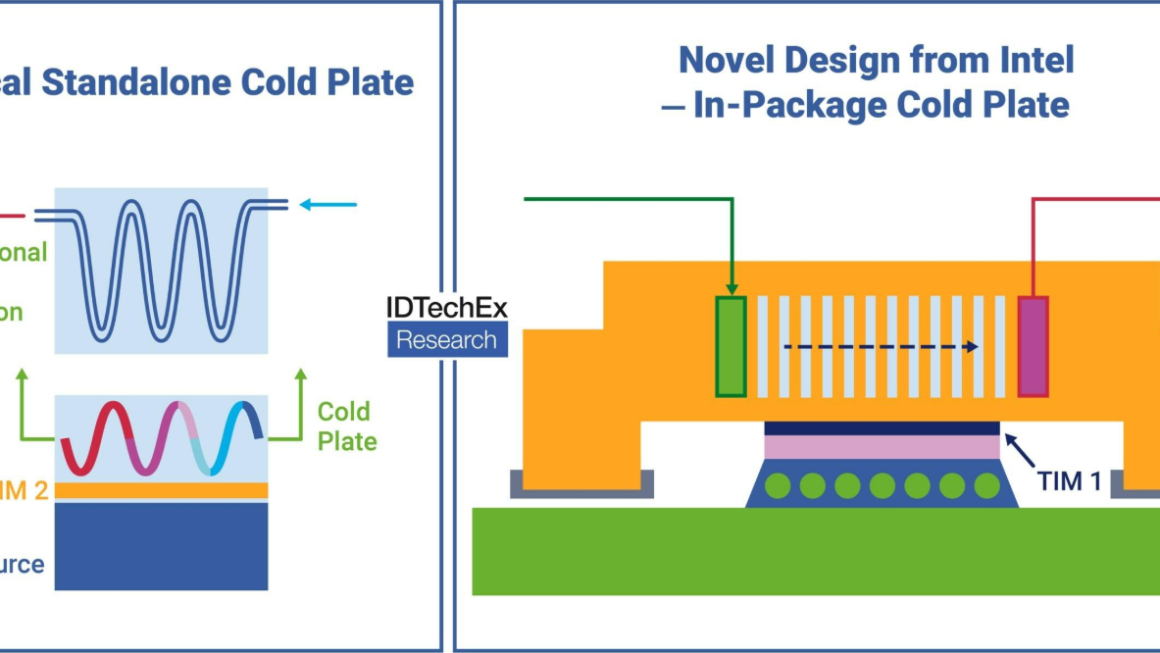
- Cold plates
- Chassis and frames
Why aluminum?
- High thermal conductivity (~200 W/m·K)
- Lightweight for dense configurations
- Cost-effective
- Excellent manufacturability
However, performance depends not just on the material itself, but on:
👉 How aluminum is engineered and integrated with other materials
2. Thermal Interface Materials (TIMs): The Hidden Layer
Thermal Interface Materials sit between:
👉 GPU die ↔ heat sink or cold plate
Their role is not simply to conduct heat, but to:
- Fill microscopic air gaps
- Reduce interfacial thermal resistance
- Maintain stable contact over time
In high-density GPU servers, TIMs must withstand:
- High heat flux
- Repeated thermal cycling
- Non-uniform mechanical pressure
Importantly:
TIM performance is strongly influenced by aluminum surface quality and mechanical design.
3. Electrical Conductors: Copper vs Aluminum
Power delivery becomes increasingly challenging in high-density systems.
Common materials:
- Copper
- Aluminum
- Hybrid copper-aluminum designs
Trade-offs:
- Copper offers higher conductivity
- Aluminum reduces weight and cost
A growing trend is:
👉 Selective substitution of copper with aluminum, especially in busbars and structural conductors, where optimization is possible.
4. Advanced Carbon Materials: Potential vs Practicality
Materials such as:
- Graphene
- Graphite films
- Carbon nanotubes
are often introduced for:
- Heat spreading
- Local hotspot management
- Composite reinforcement
However, in real-world systems:
👉 They are typically complementary materials, not primary structural solutions.
Challenges include:
- Cost
- Integration complexity
- Process consistency
Key Challenges in High-Density GPU Servers
1. Thermal Density Explosion
Modern GPUs can exceed:
- 500W to 1000W per unit
This creates:
- Extremely high heat flux
- Localized hotspots
Materials must support both:
👉 Efficient heat transfer and uniform heat spreading
2. Mechanical Stress & Material Mismatch
Different materials expand at different rates:
- Silicon chips
- TIM layers
- Aluminum cold plates
Under thermal cycling, this leads to:
- Mechanical stress
- Interface degradation
- TIM pump-out or delamination
3. Manufacturing Consistency
A material that performs well in lab conditions may fail in real deployment due to:
- Variations in surface roughness
- Inconsistent mounting pressure
- TIM thickness variation
This highlights a key reality:
Engineering consistency often matters more than peak material performance
Why Material Selection Is a System-Level Problem
A common misconception is:
👉 Better material = better performance
In reality:
Material properties do not directly translate into system performance
For example:
- A high-conductivity TIM may underperform
- If interface contact is poor
Meanwhile:
- A moderate TIM with optimized structure
- May deliver better overall results
The Aluminum4AI Perspective: Engineering Between Materials
At aluminum4ai.com, the focus is not on material claims, but on:
1. Supporting R&D and Prototyping
- Early-stage validation
- Multi-material testing
- Interface optimization
2. Focusing on the “Middle Layer”
Between raw materials and final systems lies a critical gap:
- Material adaptation
- Interface engineering
- Structural integration
This “middle layer” is often where performance is determined.
3. Enabling Material Collaboration
Rather than replacing materials, the goal is:
👉 To make different materials work together effectively
Future Trends in AI Hardware Materials
Aluminum Will Remain Central
- More complex geometries (e.g., microchannel cold plates)
- Higher precision manufacturing
- Surface engineering improvements
TIMs Will Become More Engineering-Driven
Focus will shift from:
- Maximum thermal conductivity
To:
- Stability
- Reliability
- Process control
Multi-Material Integration Will Dominate
Future systems will rely on:
👉 Material stack design, combining:
- Aluminum structures
- TIM layers
- Carbon-based heat spreaders
- Hybrid conductors
Materials Define Potential, Engineering Defines Reality
High-density GPU servers are not just about compute power—they are about:
👉 how materials interact under real conditions
Materials define what is possible.
But engineering determines what actually works.