Practical engineering references for AI data center aluminum structures and thermal systems
We publish practical engineering guides focused on aluminum structures, thermal management, and material selection for AI data centers and high-performance computing infrastructure.
These guides are written for system designers, mechanical engineers, and sourcing teams seeking reliable, manufacturable, and scalable solutions.
Structural Aluminum Design
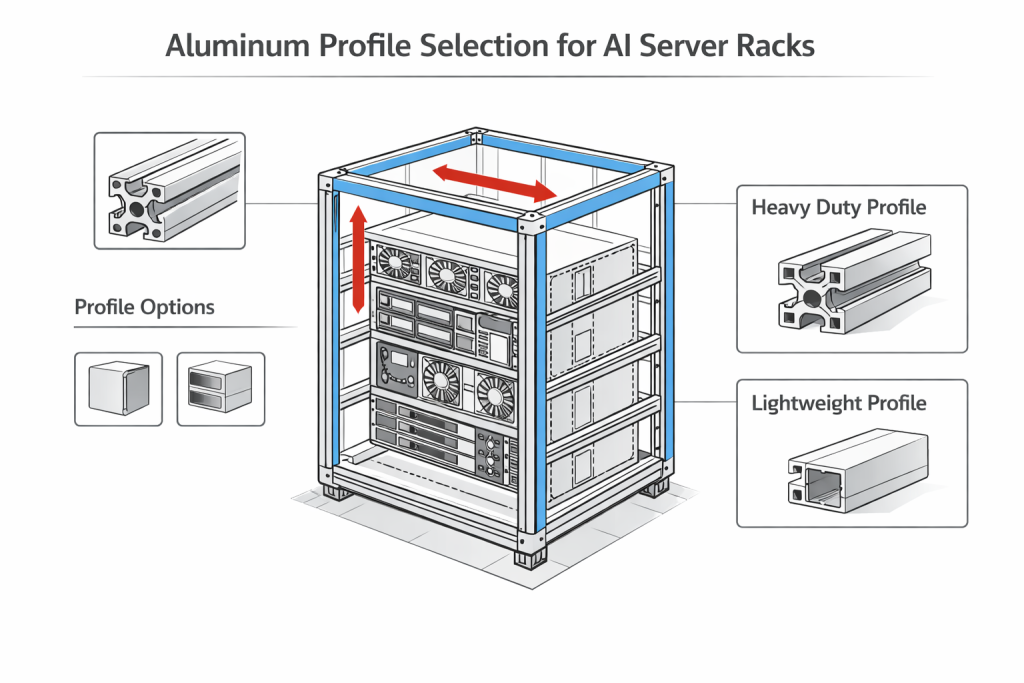
Vibration, rigidity, and long-span considerations
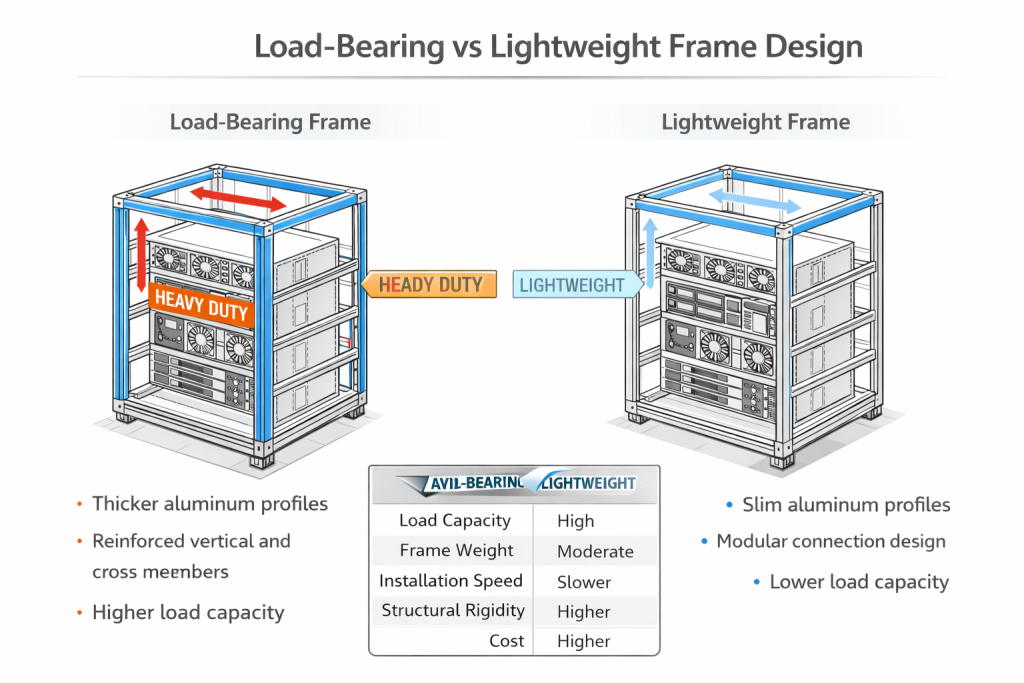
How do I balance strength, weight, and manufacturability in aluminum rack systems?
Thermal Aluminum Engineering
Aluminum vs copper in AI cooling systems
Cold plate design fundamentals
Heat sink geometry: extrusion vs CNC vs folded fin
Thermal conductivity vs weight trade-offs
When is aluminum the better thermal solution, and how should it be designed?
Liquid Cooling Structures
Aluminum cold plate channel design
Structural integration of liquid cooling components
Flow uniformity and pressure drop basics
Corrosion considerations in liquid environments
How do structural aluminum parts interact with liquid cooling systems?
Materials & Surface Engineering
Aluminum alloy comparison (6xxx, 7xxx, custom alloys)
Surface roughness and thermal contact resistance
Anodizing vs coating for thermal and corrosion performance
Hybrid material approaches (aluminum + functional layers)
How do surface treatments affect real-world thermal and durability performance?
Advanced Materials Integration (Graphene / CNT)
When graphene or CNT layers make sense — and when they don’t
Electrical conductivity and EMI considerations
Thermal interface enhancement concepts
Manufacturability and cost boundaries
How can advanced materials enhance aluminum systems without breaking scalability?
Guide Format
Engineering background (no marketing language)
Design principles & constraints
Practical diagrams or abstractions
Common mistakes & design traps
Manufacturing and supply-chain considerations
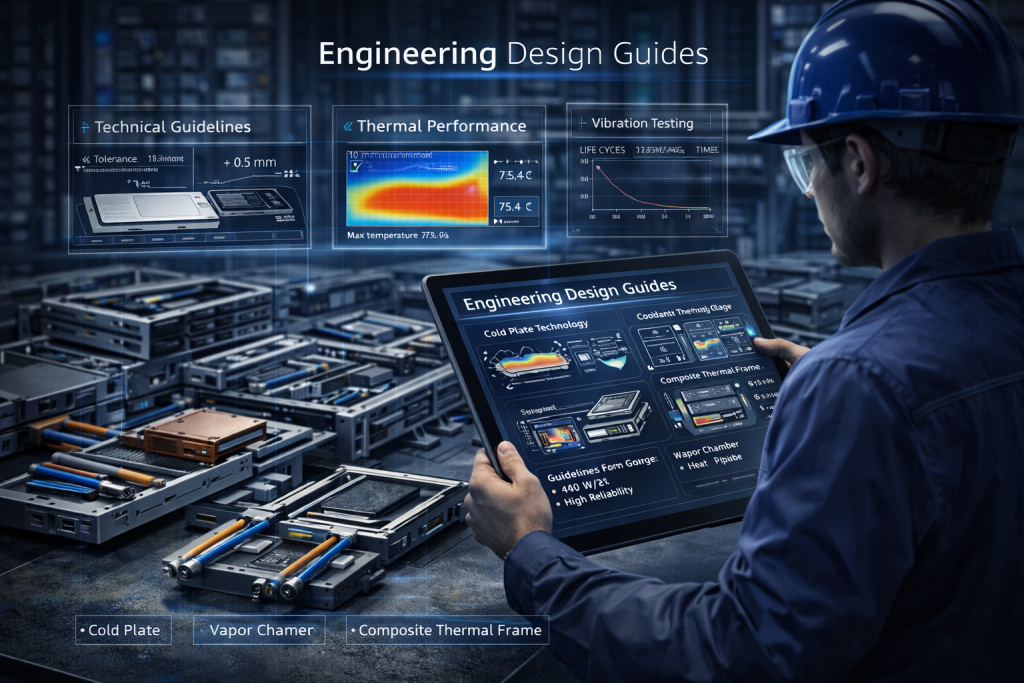
We focus on what works in production, not laboratory-only results.